How to Handle Hoarder and Estate Cleanouts Efficiently
Understanding the Challenges of Hoarder and Estate Cleanouts
Handling hoarder and estate cleanouts can be a daunting task, often involving emotional and physical challenges. These situations require sensitivity, planning, and efficient execution to ensure a smooth process. Whether you are a professional cleaner or a family member, approaching the task with empathy and a clear strategy is crucial.

Assessing the Situation
The first step in an efficient cleanout is assessing the size and scope of the task. This involves walking through the property, identifying areas of concern, and understanding the extent of the clutter. Take notes on any hazardous materials or items of significant value that may require special handling.
Creating a checklist will help you stay organized. This checklist should include sections for each room, items to keep, donate, sell, or dispose of. Having a clear overview will streamline the process and help you stay focused.
Sorting and Categorizing Items
Once you have assessed the situation, begin sorting items into categories. Use labels or colored bins to separate items into groups such as keep, donate, sell, and discard. Encourage family members or property owners to be involved in this process as they may have emotional attachments to certain items.
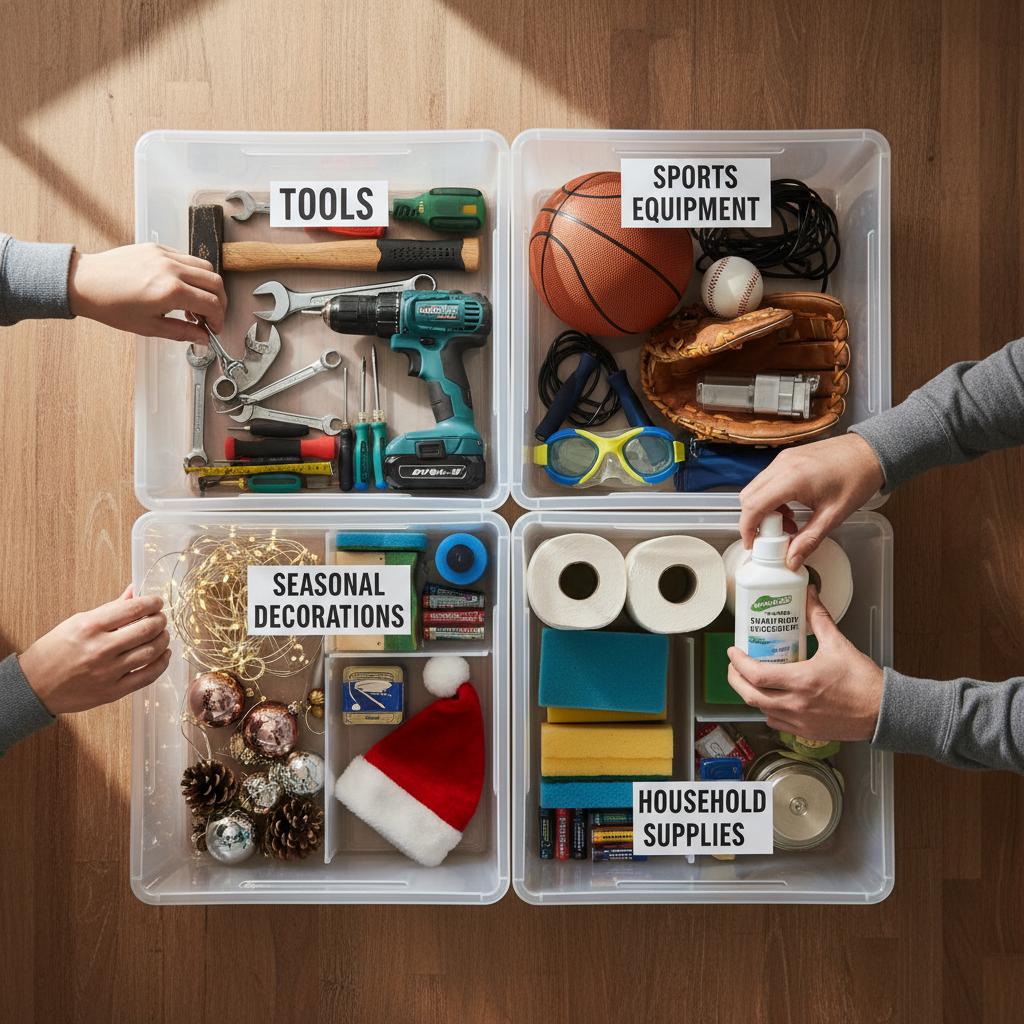
It can be helpful to set a time limit for each area to avoid getting overwhelmed. Working methodically through each room and sticking to your checklist will keep the process moving efficiently.
Hiring Professional Help
In some cases, hiring a professional cleaning service may be necessary. Professional teams have the expertise and equipment to handle large-scale cleanouts, especially in hoarder situations where safety may be a concern. They can also offer valuable insights and support during emotionally challenging moments.
- Research local cleaning services specializing in hoarder and estate cleanouts.
- Check reviews and credentials to ensure reliability and professionalism.
- Discuss your specific needs and get a detailed quote before proceeding.
Disposing of Items Responsibly
Efficient cleanouts also involve responsible disposal of items. Recycling, donating, and selling items can reduce waste and support local communities. Many organizations welcome donations of clothing, furniture, and household goods, providing a meaningful way to repurpose items.

For items that cannot be reused, look for local recycling centers or waste management services that offer environmentally friendly disposal options. Proper disposal not only benefits the environment but also makes the cleanout process more ethical.
Maintaining the Cleared Space
Once the cleanout is complete, maintaining the cleared space is essential to prevent future clutter. Implementing organizational systems, such as shelving or storage bins, can help keep items organized and accessible. Encourage regular decluttering sessions to ensure the space remains functional and enjoyable.
Consider involving other family members in maintaining the space, creating a shared responsibility that fosters a clutter-free environment.