The Complete Guide to Hoarder and Estate Cleanouts
Understanding Hoarder and Estate Cleanouts
Hoarder and estate cleanouts can be overwhelming tasks. Whether you're dealing with the belongings of a loved one or helping someone manage a hoarding situation, it's important to approach the process with care and strategy. This guide will provide you with the necessary steps and tips to make the process more manageable and efficient.
Initial Assessment and Planning
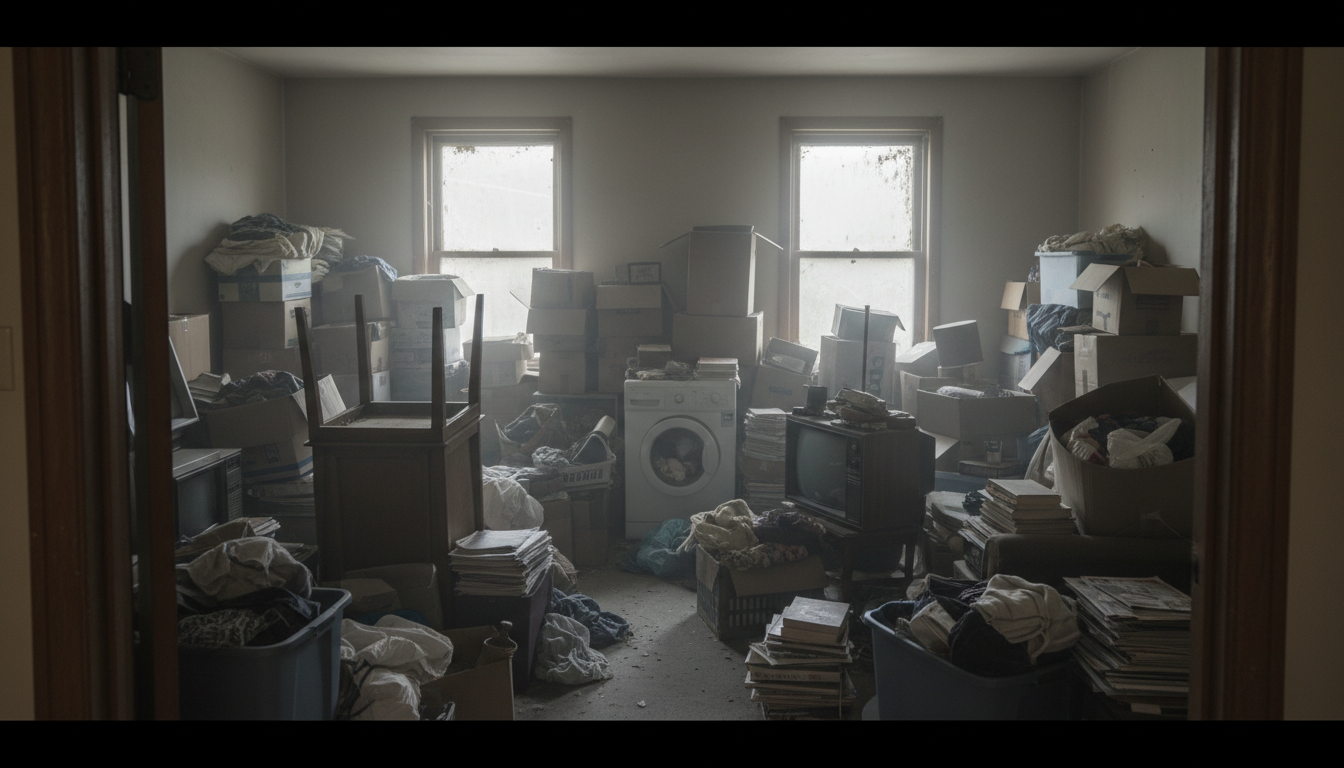
The first step in any cleanout is a thorough assessment. Take time to understand the scope of the project. For estate cleanouts, this may involve identifying valuable items, personal keepsakes, and documents. In hoarder situations, it’s important to evaluate the level of clutter and potential safety hazards.
Once you've assessed the situation, create a detailed plan. Decide which areas to tackle first and set realistic timelines. Remember, patience is key, especially in hoarding scenarios where emotional attachments may prolong the process.
Gathering Supplies and Resources
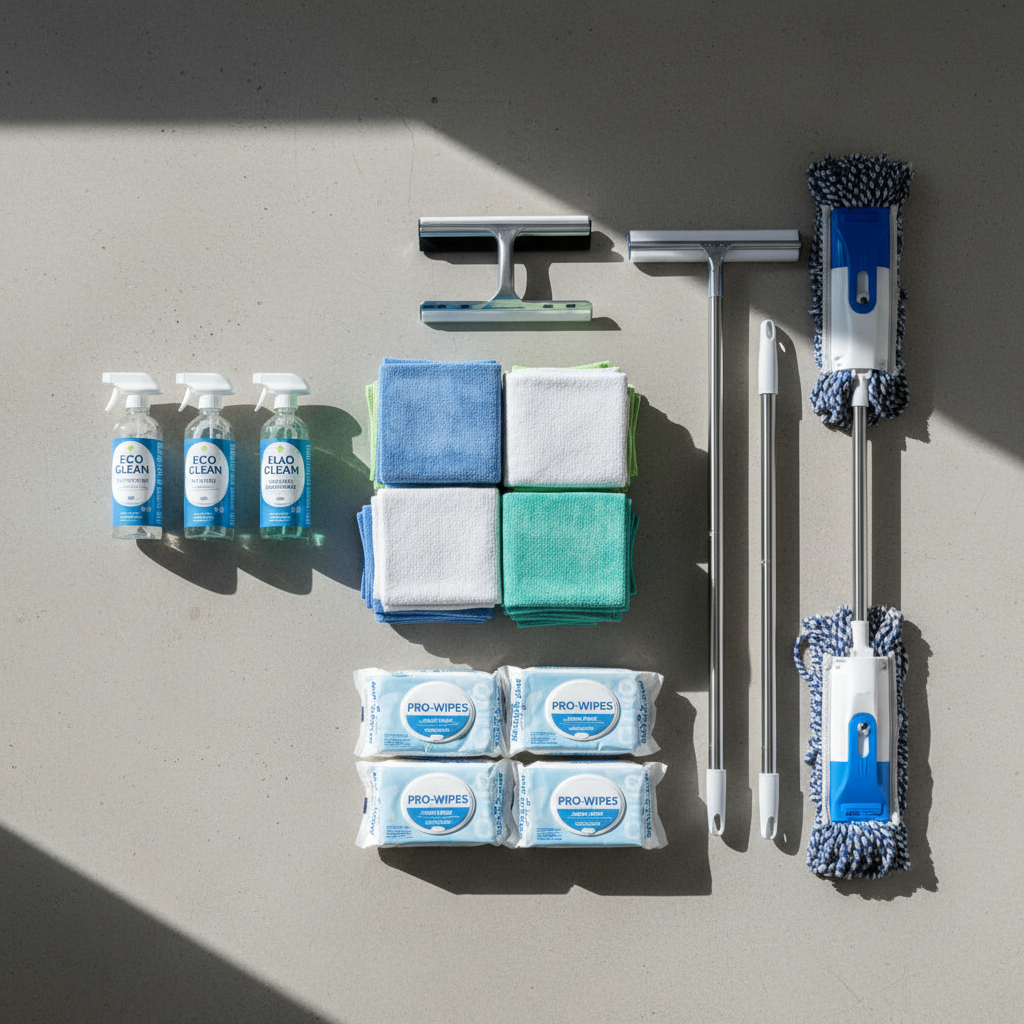
Before diving into the cleanout, gather all necessary supplies. This typically includes boxes, trash bags, gloves, masks, and cleaning products. For larger projects, you might need to rent a dumpster or hire professional cleaning services.
Sorting and Organizing
Sorting is a crucial part of any cleanout. Start by categorizing items into groups such as "keep," "donate," "sell," and "discard." Be mindful of sentimental items, as these might require additional consideration. In hoarder cleanouts, it's essential to involve the individual in this process to respect their choices and feelings.
Organizing the items you plan to keep or donate can streamline the process. Use clear labels and storage solutions to maintain order and prevent future clutter.
Managing Emotional Challenges
Cleanouts, especially in hoarding situations, can be emotionally taxing. It's important to approach the process with empathy. Consider involving a mental health professional to support the individual, ensuring their emotional well-being throughout the process.

Donating and Selling Items
Once you've sorted through the belongings, decide what to do with the items you no longer need. Donating to local charities or thrift stores is a great way to give back to the community. For valuable items, consider selling them online or through estate sales to recoup some costs.
Final Cleanup and Restoration
After sorting and removing items, focus on cleaning and restoring the space. Deep cleaning may be necessary to address any neglected areas. Consider repainting or minor repairs to enhance the space's appearance and functionality.
If you’re working on an estate cleanout, this is also the time to prepare the property for sale or rental. A clean, well-maintained space can significantly impact potential buyers or tenants.
Hiring Professional Help
Sometimes, the scale of a cleanout can be daunting. In such cases, hiring professionals who specialize in hoarder and estate cleanouts can be beneficial. They bring expertise, efficiency, and the right equipment to handle extensive projects.

Maintaining a Clutter-Free Environment
Once the cleanout is complete, focus on maintaining a clutter-free environment. Implement organizational systems and regular cleaning routines to prevent future accumulation of unnecessary items. Encourage open communication and support for individuals with hoarding tendencies to help them manage their habits effectively.