Understanding the Foreclosure Cleanout Process: A Step-by-Step Guide
Introduction to Foreclosure Cleanout
Foreclosure cleanout is a crucial process that involves clearing out properties that have been foreclosed upon. This is an essential step to prepare the property for sale or rental. The process can be complex, requiring careful planning and execution to ensure everything is handled efficiently and legally.
Understanding the foreclosure cleanout process can be beneficial for homeowners, real estate agents, and investors. It involves several steps, and knowing them can make the process smoother and more manageable.
Initial Assessment
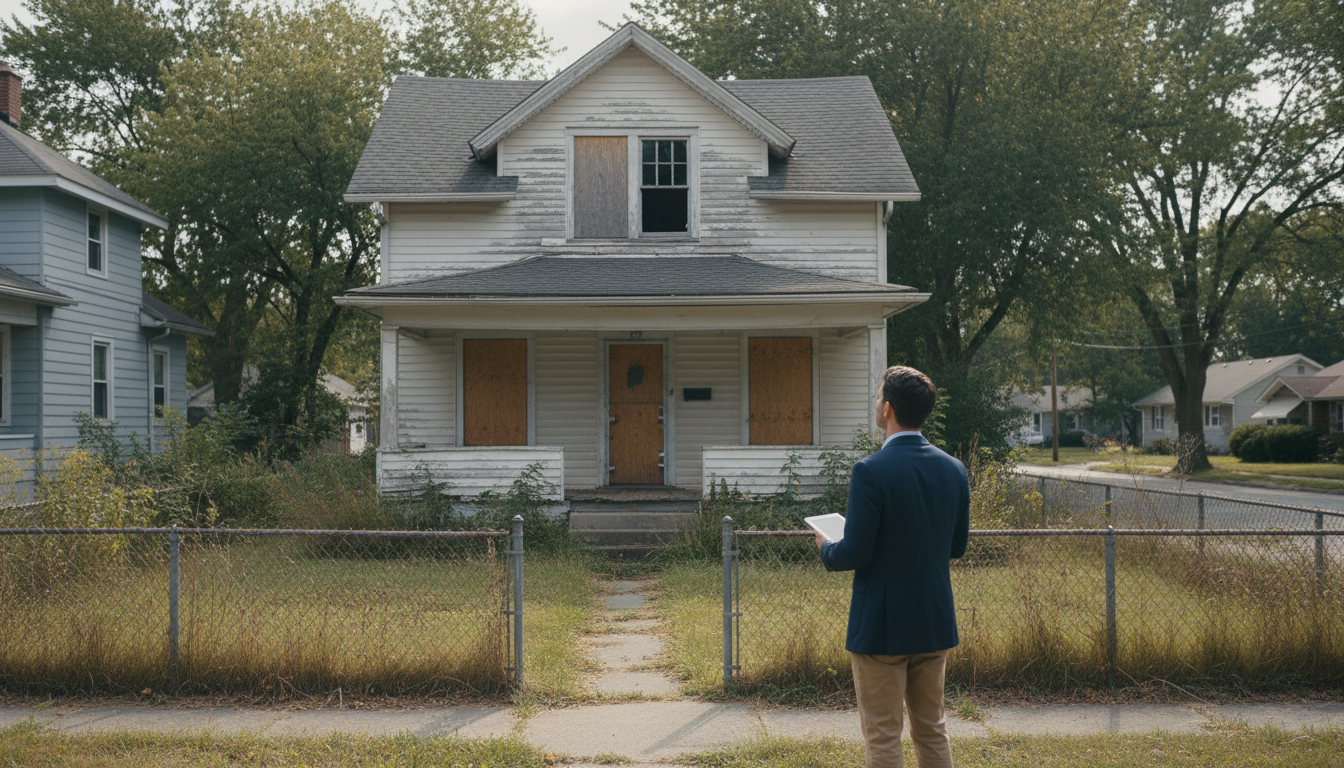
Before beginning a foreclosure cleanout, it's important to conduct an initial assessment of the property. This step involves evaluating the extent of the work required, identifying valuable items, and understanding any potential hazards. This assessment helps in planning the resources and time needed for the cleanout.
During this phase, it's essential to check for any personal belongings left behind and determine how to handle these items legally and ethically. Communication with legal advisors may be necessary to ensure compliance with local regulations.
Planning and Preparation
Once the initial assessment is complete, the next step is planning and preparation. This involves organizing the necessary tools, equipment, and personnel required for the cleanout. Creating a checklist can be incredibly helpful to ensure nothing is overlooked during the process.

It's also advisable to plan for waste disposal, as foreclosed properties often contain a significant amount of trash and debris. Partnering with a waste management company can streamline this aspect of the cleanout.
Executing the Cleanout
The actual cleanout process involves physically removing items from the property. This step should be conducted systematically, starting with larger items and moving to smaller ones. A team of professionals can expedite this process, ensuring that the property is cleared efficiently.
Safety is paramount during the execution phase. Proper gear, such as gloves and masks, should be worn to protect against hazards like mold or sharp objects.

Post-Cleanout Inspection
After the cleanout is completed, a thorough inspection of the property is necessary. This inspection ensures that the property is in suitable condition for the next steps, whether that's sale or rental. Any repairs or maintenance issues discovered during this inspection should be addressed promptly.
Documenting the condition of the property with photographs and notes can be valuable for future reference, especially when dealing with potential buyers or tenants.
Final Touches and Staging
Once the property is cleared and inspected, the final touches can be added to enhance its appeal. This might include cleaning, painting, or minor repairs. Staging the property can also make a significant difference, helping potential buyers or renters envision themselves in the space.

Professional staging services can transform a foreclosed property, making it more attractive and increasing its market value. Investing in these final touches can lead to a quicker sale or rental.
Conclusion
Understanding the foreclosure cleanout process is essential for anyone involved in real estate or property management. By following these steps, you can ensure a smooth transition from a foreclosed property to a market-ready asset. Whether you're handling a single property or multiple projects, a systematic approach will make the process more efficient and successful.